
Each year, approximately 200,000 Americans separate from the Armed Forces, return home, and seek to continue serving their country by joining the U.S. workforce. Hiring them is not charity; it is smart business. Veterans bring the values that make workplaces stronger and skills that are directly transferable to careers like trucking.
The American Trucking Associations has long supported initiatives to help more veterans launch rewarding, good-paying careers in the trucking industry. That is why we were proud to participate in the launch of Freedom Haulers, an initiative of the Departments of Transportation, Labor, and Veterans Affairs, at the White House.
What is Freedom Haulers?
Freedom Haulers brings together federal agencies, employers, workforce development organizations, and veteran advocates. The purpose of this coalition is to help more transitioning service members discover opportunities available to them in the trucking industry that they may not have previously considered. Just as important, it will help remove bureaucratic barriers and expand access to existing programs and resources to help veterans make the leap from military service to meaningful civilian careers.
Here are the key changes the Trump Administration is making:
- Veterans will now be eligible to receive expedited CDLs up to 24 months after active-duty service, extending the previous waiver period that was capped at 12 months.
- Veterans who never drove a heavy CMV during their military service will be offered CDL training.
- FMCSA’s Even Exchange program is expanding, bringing the total number of participating states to 32 – with more to come. This program allows qualified veterans to exchange a military license for a CDL.
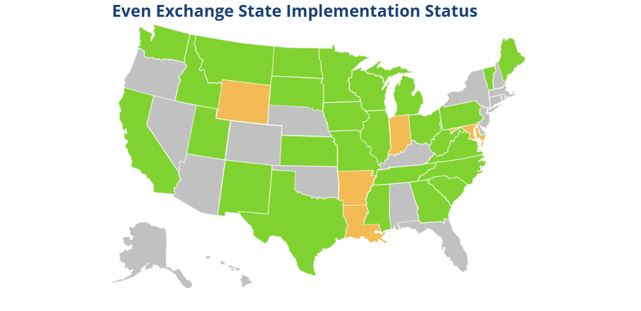
*as of July 2026
For generations, veterans have played a vital role in keeping America moving. The skills developed in military service—leadership, discipline, resilience, teamwork, and a mission-focused mindset—are the same qualities that define successful trucking professionals. Freedom Haulers recognizes that connection and seeks to create a stronger bridge between military service and trucking careers. ATA welcomes this effort and stands ready to support its success.
How ATA and Its Members Support Veterans
Veterans’ inherent strengths have long made them an important part of the trucking workforce. Across ATA’s federation, motor carriers of every size actively recruit former service members and military spouses to serve as drivers, technicians, safety professionals, and other roles. Many companies have built specialized programs designed to help veterans translate their military experience into civilian careers, access training opportunities, and advance into leadership positions.
A prime example is Werner Enterprises. Nathan Meisgeier, the president and chief legal officer of Werner, spoke at the White House event about his company’s programs for military families. Those include educational support, tuition assistance, and resource groups to ensure veterans and spouses have the tools they need to thrive. The results of that sustained commitment are borne out in the employment figures. Approximately 15% of the company’s 14,000 associates are military-connected. That’s triple the percentage of veterans in the overall workforce. And Werner is doubling down. The company just announced plans to hire 1,400 new veteran drivers.
Throughout the industry, innovative programs have helped veterans navigate the transition from military service to trucking careers. These efforts include apprenticeships, mentorships, tuition reimbursement, veteran employee resource groups, and assistance with converting military driving experience into commercial driving credentials. Companies have also worked to ensure veterans can maximize educational benefits, including GI Bill resources, while earning industry-recognized certifications and building long-term careers.
The impact can be life changing. Last year, in testimony before Congress, ATA shared the story of a former Army mechanic who leveraged FMCSA’s Military Skills Test Waiver program to earn his CDL, completed an apprenticeship, and ultimately become a mentor to other drivers. ATA also highlighted the experience of a military spouse who used transferred VA education benefits to enter the industry and launch a stable new career after years of frequent relocations associated with military life.
These examples demonstrate what becomes possible when government policies and employer commitments work together to create opportunity.
Room for Improvement
ATA’s support for veterans extends beyond recruitment. The federation has consistently advocated for holistic policies that will make it easier for veterans to enter trucking careers. Those include:
- Increasing funding for the CMV Operator Safety Training Grant Program, which would expand access to quality CDL programs;
- The Warriors to Workforce Act, which would ease the housing burden on veterans undergoing job training;
- The Veterans Transition to Trucking Act, which would reduce the VA’s red tape on apprenticeship programs; and
- The TRANSPORT Jobs Act, which would make it easier for veterans and their spouses to find jobs in the supply chain.
These efforts matter because a career in trucking offers more than a paycheck. It provides purpose, independence, and the opportunity to contribute to an industry that delivers the goods Americans rely on every day.
Trucking moves the overwhelming majority of the nation's freight, connecting manufacturers, retailers, hospitals, farms, and communities. Veterans who join the industry continue serving a mission larger than themselves: helping keep the American economy strong and the supply chain running.