
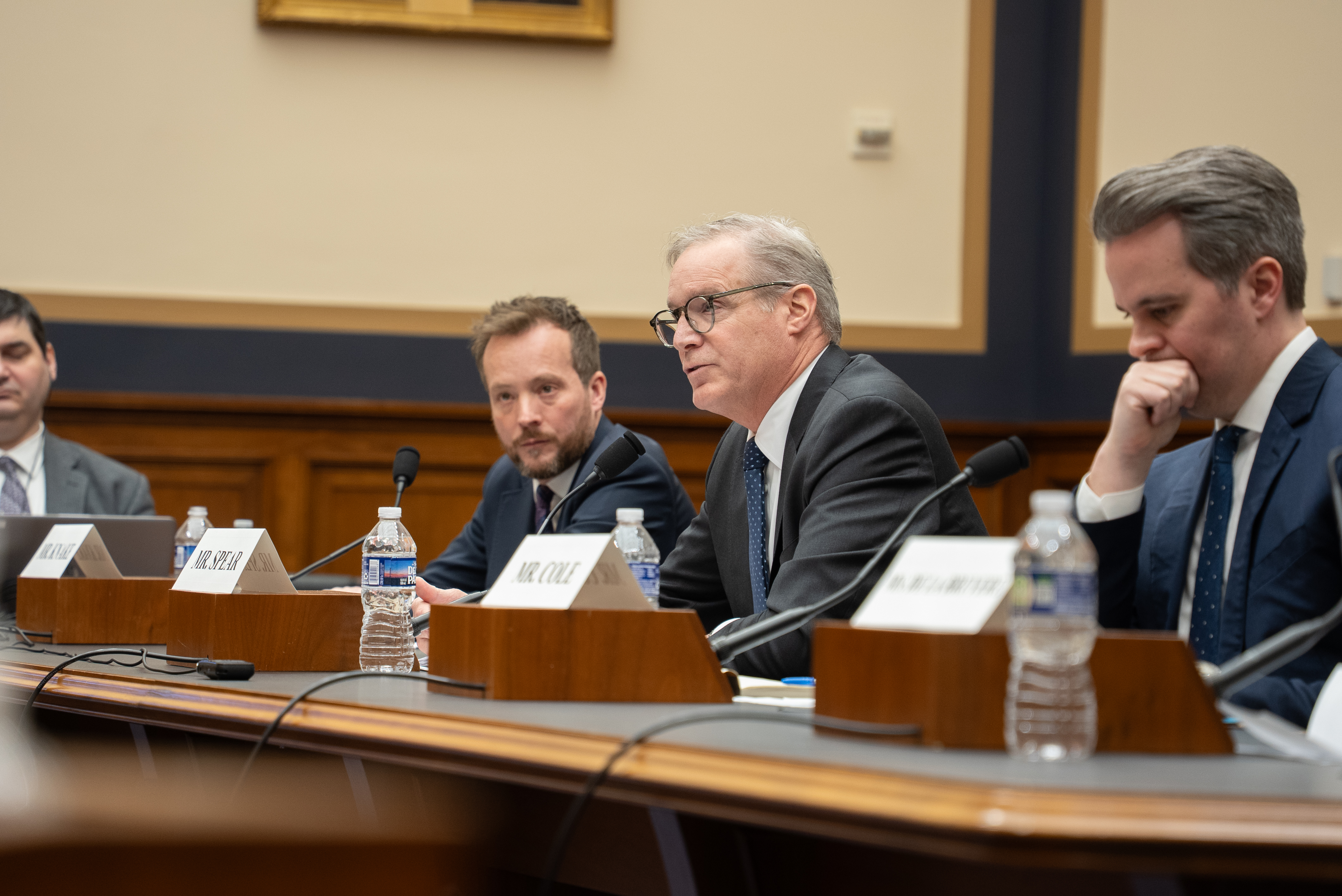
In the wake of several high-profile, tragic, and preventable crashes involving unqualified truck drivers, American Trucking Associations President & CEO Chris Spear told lawmakers on Capitol Hill this week that they must close critical gaps in our driver certification system and strengthen enforcement of existing standards.
ATA has long warned that insufficient compliance allows unsafe operators to obtain CDLs.
Over the past year, ATA has worked closely with the U.S. Department of Transportation and Secretary Sean Duffy to close these loopholes. In his testimony before a House Judiciary Subcommittee, Spear recommended a series of targeted reforms to reinforce CDL training, testing, and issuance standards and improve the broader safety framework.
One non-negotiable demanded by Spear is to ensure that all 50 states are evenly testing and enforcing English proficiency across the board. In 2016, the Obama administration issued guidance that discouraged and created inconsistencies around putting truck drivers who failed this test out of service. While USDOT has since clarified guidance on English proficiency enforcement, Spear emphasized that Congress must codify USDOT’s change to prevent backtracking by future administrations.
In response to Spear’s comments, Rep. Jasmine Crockett, the Ranking Member of the subcommittee, disputed the connection between the ability to speak English and safety. She equated driving a large truck to driving a passenger car in a foreign country.
Spear pushed back forcefully on that flawed comparison.
In a follow-up exchange with Chairman Jeff Van Drew, Spear elaborated on the importance of truck drivers being able to read road signs and communicate with public safety personnel.
In addition to enforcing English language proficiency, Spear exposed other areas that have been ignored for far too long by regulators and Congress to the detriment of safety. One example is CDL mills, which have proliferated in recent years. ATA strongly supports FMCSA’s recent crackdown, which has removed nearly 7,000 of these illegitimate training providers since December 2025, with an additional 450 noncompliant providers put on notice. These actions, coupled with upholding federal driver qualifications and implementing regular audits, are critical steps toward improving the CDL system.
Another example is the growing issue of cabotage. This illegal, underhanded practice of using B1 drivers to haul domestic freight exploits Mexican drivers and is unfair to law-abiding motor carriers and American truck drivers. In some tragic cases, shady carriers’ willingness to cut corners and skirt the law has produced heartbreaking consequences.